
Nourishing the Brain: Why Diet and Exercise Matter After a Parkinson's Diagnosis
Receiving a Parkinson's diagnosis can feel overwhelming. While there is currently no cure, research continues to show that lifestyle choices, particularly nutrition and exercise, can play a significant role in helping people live well with the condition. Rather than focusing solely on medication, many healthcare professionals now recognise that a comprehensive approach combining movement, good nutrition and medical care offers the greatest opportunity to maintain quality of life.
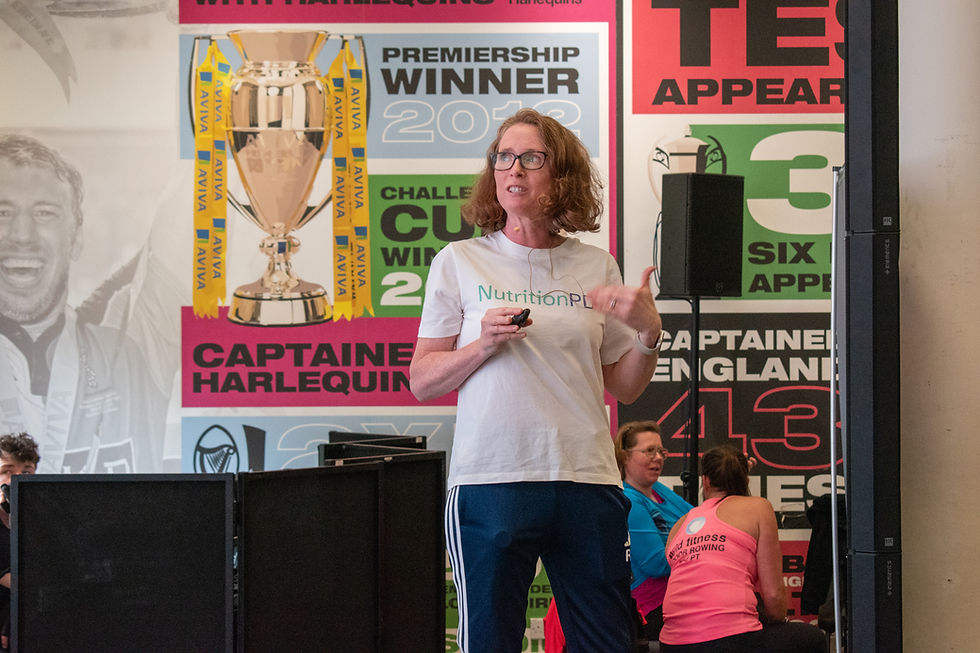
One of the leading voices in this field is dietitian Richelle Flanagan, whose work has helped transform how nutrition is viewed in Parkinson's care. We’ve been lucky enough to have Richelle speak at our last two Try-Athlons and she is a firm favourite for attendees in listening to her findings. Drawing on her extensive background in healthcare, Richelle has developed evidence-based nutrition programmes that empower people with Parkinson's and their care partners to make informed dietary choices. Her message is reassuring: food is not a cure, but it is a powerful tool that can support brain health, improve day-to-day wellbeing and potentially influence the course of the disease.
The Link Between Nutrition and Parkinson's
Parkinson's disease affects much more than movement. Many people experience fatigue, constipation, weight changes, swallowing difficulties, reduced appetite and cognitive changes. Nutrition therefore becomes an essential part of managing symptoms and maintaining strength.
Eating well is about supporting the body as a whole. A nutritious diet can help maintain muscle mass, sustain energy levels, promote healthy digestion and reduce inflammation. It may also help the body respond better to medications and reduce the risk of complications such as osteoporosis, frailty and unintentional weight loss.
Good nutrition is particularly important because Parkinson's increases the body's energy demands. Tremors, rigidity and involuntary movements can all increase calorie expenditure, meaning that some people need more energy and protein than they realise to maintain a healthy weight and muscle strength.
Why the Mediterranean Diet Stands Out
One dietary pattern that has gained considerable attention is the Mediterranean diet. Rich in vegetables, fruit, whole grains, nuts, olive oil and oily fish, this style of eating has long been associated with better cardiovascular health. More recently, studies have suggested it may also benefit people living with Parkinson's.
Richelle, frequently recommends the Mediterranean diet because growing evidence suggests it may help reduce clinical progression of Parkinson's while supporting cognitive health. Although researchers continue to investigate the exact mechanisms, several factors appear to contribute to its benefits.
The Mediterranean diet is naturally high in antioxidants, which help protect cells from oxidative stress, a process believed to contribute to the damage of dopamine-producing brain cells. It is also rich in anti-inflammatory foods, healthy fats and dietary fibre, all of which support brain function, gut health and overall wellbeing.
Emerging research also highlights the important relationship between the gut and the brain. Many people with Parkinson's experience digestive symptoms years before movement problems appear. A diet high in fibre, together with fermented foods and a wide variety of plant-based ingredients, supports a healthier gut microbiome, which researchers increasingly believe may influence brain health and disease progression.

Exercise: The Perfect Partner to Good Nutrition
While nutrition provides the body with the fuel it needs, exercise helps the body use that fuel effectively.
Regular physical activity has consistently been shown to improve balance, mobility, flexibility, posture and muscle strength in people with Parkinson's. Exercise can also improve mood, sleep quality and confidence while reducing fatigue and helping maintain independence.
Research now suggests that vigorous, regular exercise may even have neuroprotective effects by encouraging the brain to form new neural connections and supporting the survival of existing brain cells. Although exercise cannot stop Parkinson's, many neurologists now regard it as one of the most important non-drug therapies available.
When combined with a nutritious diet, the benefits are even greater. Adequate protein helps maintain muscle, carbohydrates provide energy for activity, and healthy fats support brain function. Together, nutrition and exercise create a positive cycle that helps people remain active for longer.

Practical Changes That Make a Difference
Richelle's approach is refreshingly realistic. Rather than promoting restrictive diets or expensive supplements, she encourages sustainable habits that people can maintain over time.
Simple changes can include:
Filling half the plate with colourful vegetables at each meal.
Choosing olive oil instead of butter where appropriate.
Eating oily fish once or twice a week.
Including beans, lentils and whole grains regularly.
Snacking on nuts and seeds.
Drinking enough fluids throughout the day to reduce the risk of constipation.
Timing protein intake appropriately if Parkinson's medication is affected by dietary protein, under the guidance of a healthcare professional.
These are practical steps that support overall health rather than quick fixes, recognising that consistency matters more than perfection.
Looking Beyond Food
Living well with Parkinson's involves much more than medication alone. Nutrition, exercise, sleep, social connection and mental wellbeing all interact to influence how someone feels each day.
Richelle’s work reminds us that people with Parkinson's are not passive recipients of care. Through informed dietary choices and healthy lifestyle habits, individuals can actively support their own health and wellbeing.
While researchers continue searching for treatments that slow or stop Parkinson's progression, the evidence already points towards one encouraging conclusion: a balanced Mediterranean-style diet combined with regular physical activity offers one of the most effective ways to support long-term health.
For those newly diagnosed, these lifestyle changes need not happen overnight. Small, consistent improvements, choosing more colourful foods, moving a little more each day and building sustainable habits, can and will have a meaningful impact over time. Combined with appropriate medical treatment and support from healthcare professionals, nutrition and exercise provide a powerful foundation for living as well as possible with Parkinson's.
Ultimately, Parkinson's may change many aspects of life, but it does not remove the opportunity to influence health. Every healthy meal and every step taken is an investment in maintaining strength, independence and quality of life for the years ahead.
For more information, please visit Richelle’s website: Nutrition PD - Nutrition for Parkinsons, Nutrition Programmes



My 68 year old Husband who suffered from muscle tiredness brought on by chronic fatigue in its early stages. Neurologists first had difficulty diagnosing it until multiple examinations indicated MSA, for which there was no known cure other than the prescription of levodopa medications, vitamins, and therapies. More advancements in breathing difficulties, before we made the decision to try different medications, which significantly enhanced his condition. He received MSA-5 treatment for MSA at Limitlessnaturalwellness.com from the U.S approximately four months ago; since then, he sleeps well, works out frequently, and has become very active. it has improved his quality of life. .